
The Static Gate Theory
A theory concerning the role of Static in the lore of Amanda the Adventurer, and how its presence in the games may allude to the true mission of the Curtain.

★ read on tumblr / read on ao3
Flash/flicker warning for included videos and GIFs!
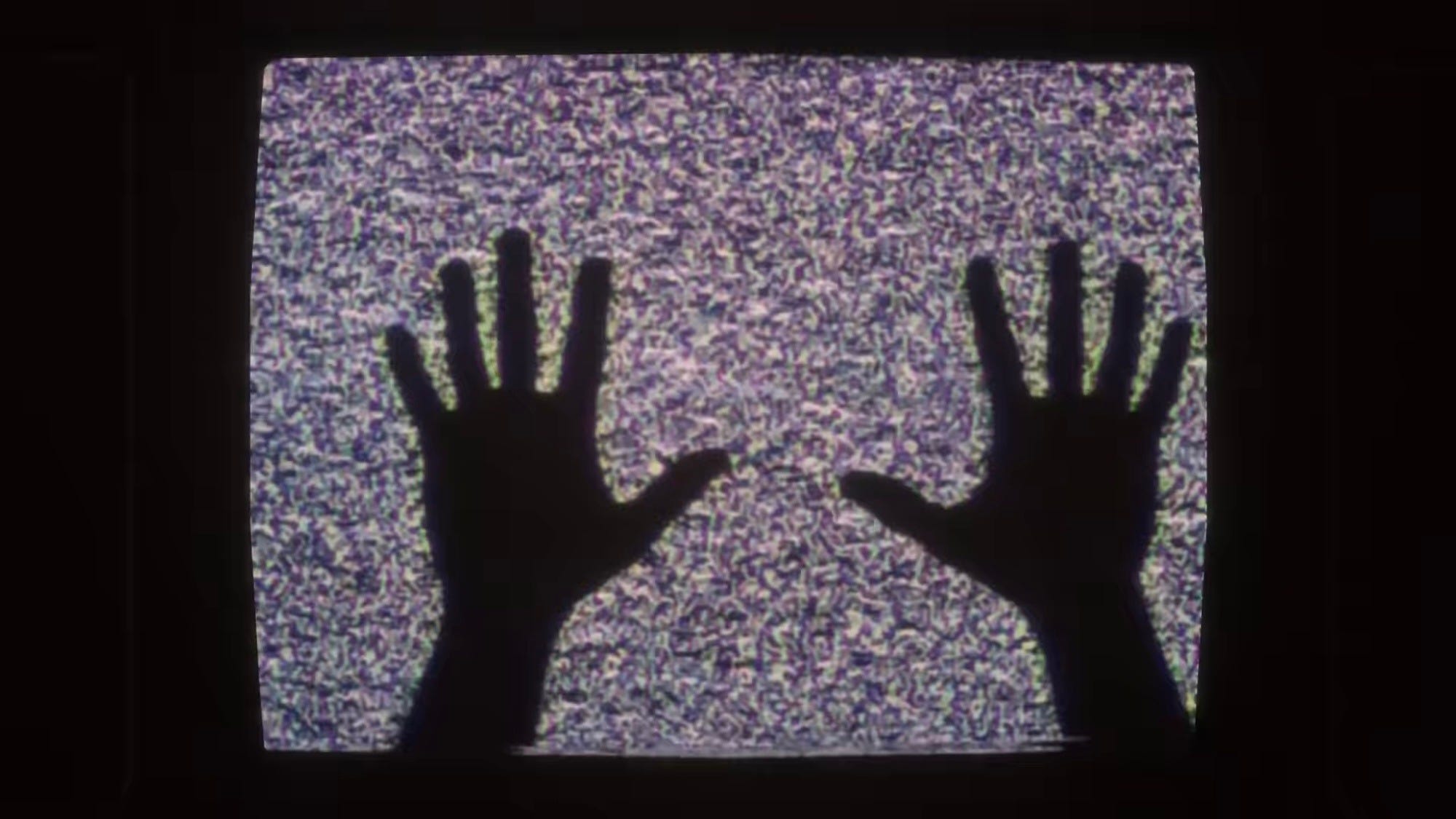
"In the year 1556, 272 years after the magician led 130 children out of the town, this portal was erected." [🐀]
I’ve theorized for a while that static holds significance in Amanda the Adventurer, and after the release of the third game, I think it holds the key to not only how the puzzles in the games canonically occurred, but also what the Curtain was trying to accomplish through the Media Reclamation Initiative.
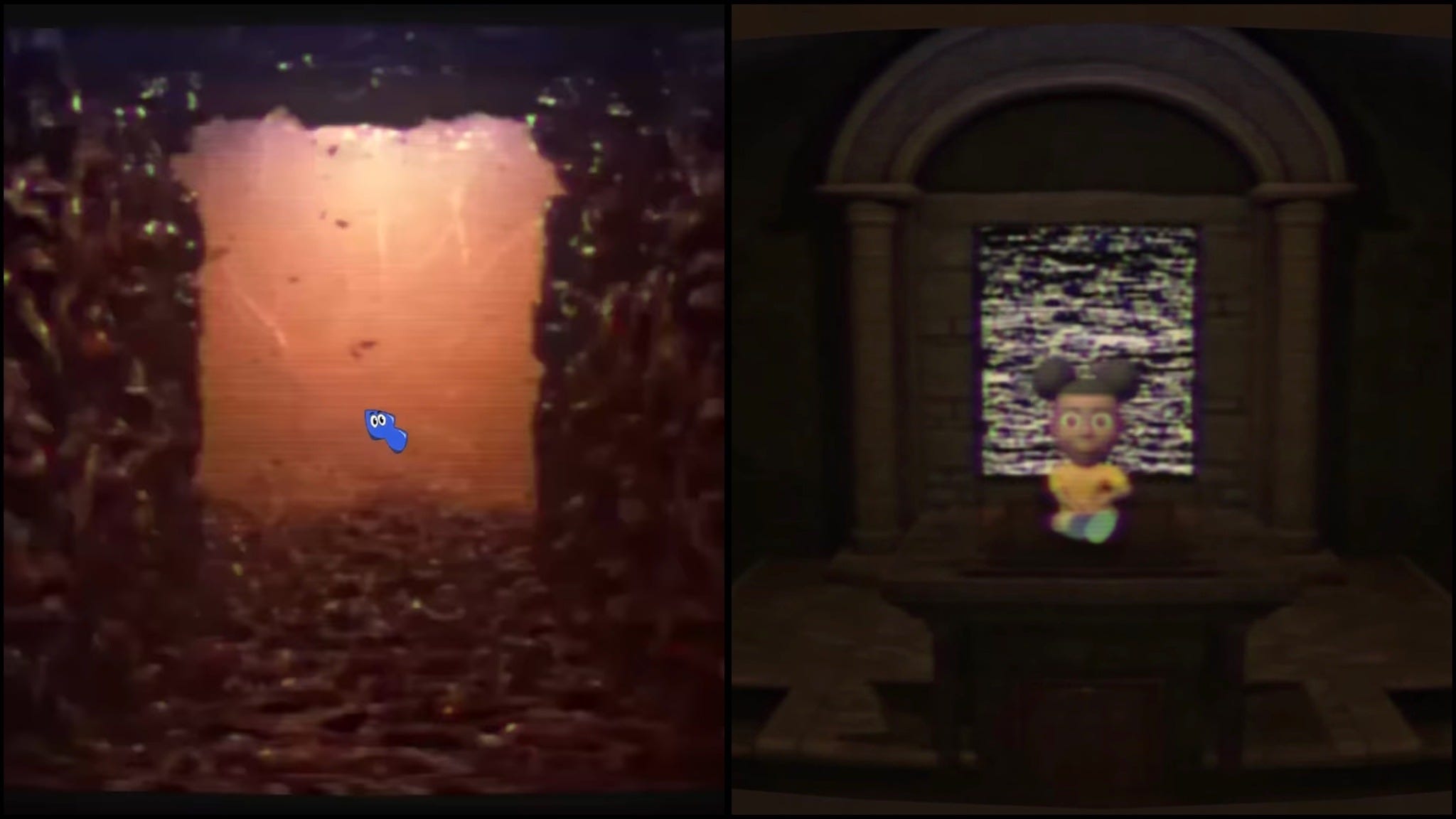
A strange hellish passage flashes on screen in ATA 2 at the start of the “Goodnight!” tape, and appears again in “When I’m Grown Up” in ATA 3. To me, this fleshy hallway seems to closely resemble the door we see in the ritual room, and the one we see Amanda “exit” before we go to finally free Rebecca.
In the sermon which plays in that room, the Curtain pastor references a Valley the cult is trying to reach, which makes me think of how in Robert Browning’s “The Pied Piper of Hamelin“ (and most renditions of the story), the children were led through a mountain, and into a magical realm:
When, lo, as they reached the mountain's side,
A wondrous portal opened wide,
As if a cavern was suddenly hollowed;
And the Piper advanced and the children follow'd,
And when all were in to the very last,
The door in the mountain side shut fast.
...
For he led us, he said, to a joyous land,
Joining the town and just at hand,
Where waters gushed and fruit-trees grew,
And flowers put forth a fairer hue,
And every thing was strange and new;
The sparrows were brighter than peacocks here,
And their dogs outran our fallow deer,
And honey-bees had lost their stings,
And horses were born with eagles' wings:
Historical accounts of the event designate this location as either Calvary or Koppenberg Mountain.
However, in the Curtain’s sermon, the roles are reversed, with the pastor describing a time when the children will lead the cult members to the Valley:
The child's imagination, unspoiled by truth, can plant the seed of the impossible. And that seed's roots will take hold in the soil of reality, untethered by its limitations. But our children need guidance. And so, we shall guide them. Darkening the road ahead of them, so they can escape the rigid path of the light and take us all into the valley so that we may return to our unchained darkness.
This apparent role-reversal may align with the theory that the Curtain was founded by the distraught parents of Hameln, trying to find their way to the realm where the Piper led their children—following them, so to speak. @hameln-happiness-protector wrote a post about a theory surrounding the historical basis of the fairy tale, which suggests the children were actually led to Rinteln—a town located in a valley.
I also think this Valley is meant to allude to a valley of darkness referenced in the Bible, and is to some extent connected to the Great Nil from the Curtain’s sermon. Kensdale itself resides in a valley, as evidenced by its etymology. Case in point: the Curtain based their operation in Kensdale because it shares some sort of connection to this cosmic Valley they’re trying to reach, and they manipulated the static to open a door there.
I personally believe that this static (which we see multiple times when we’re solving puzzles, as well as in the show itself) is a trans-dimensional substance that the Curtain is trying to harness—using it to merge fantasy with reality, and literally break the fourth wall. The static is how we’re both able to send objects into the tapes directly, and access objects from within the screen, such as the card we acquire in the third game. While much of this post so far has been speculation, this in-game function of the static is canon.
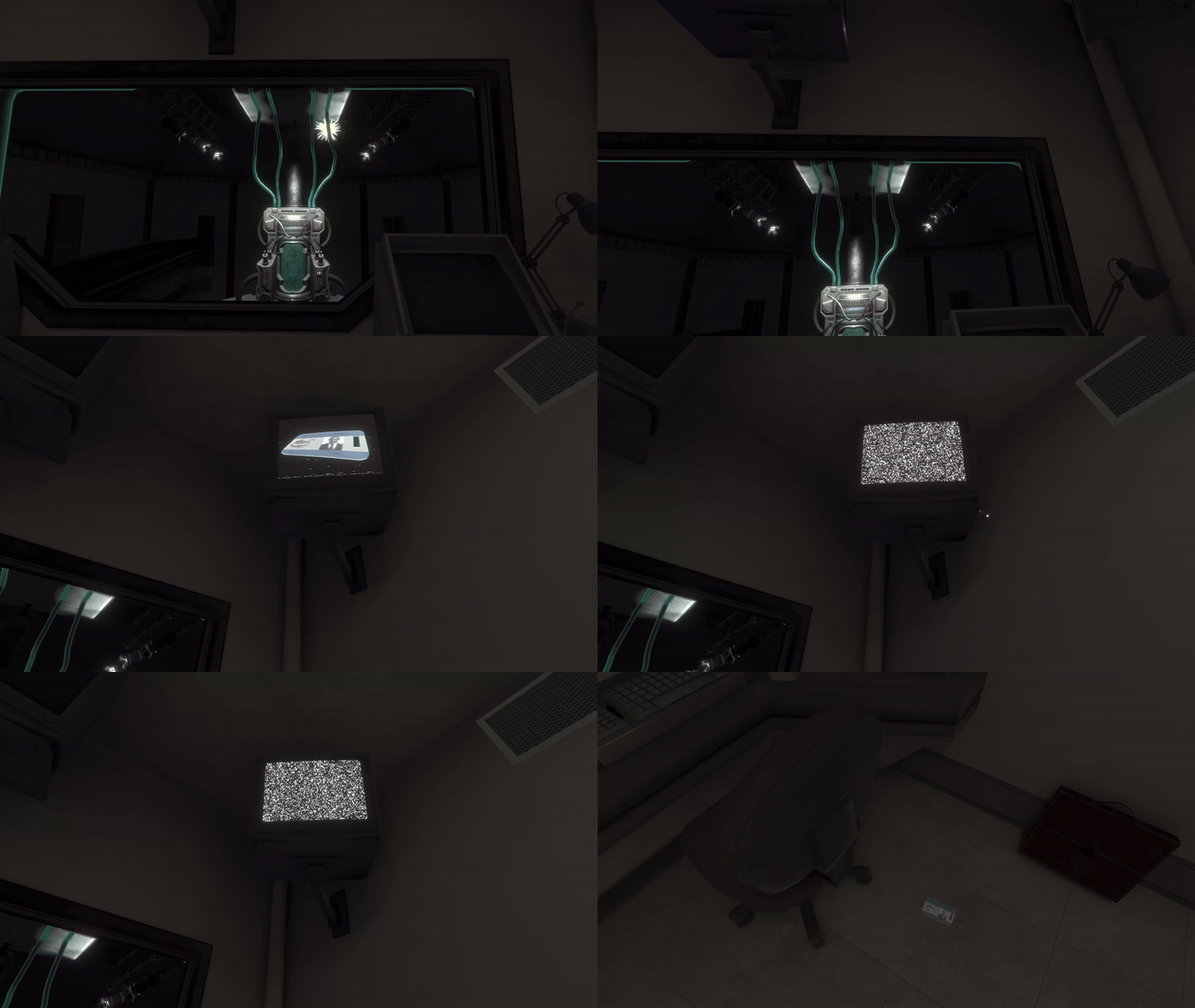
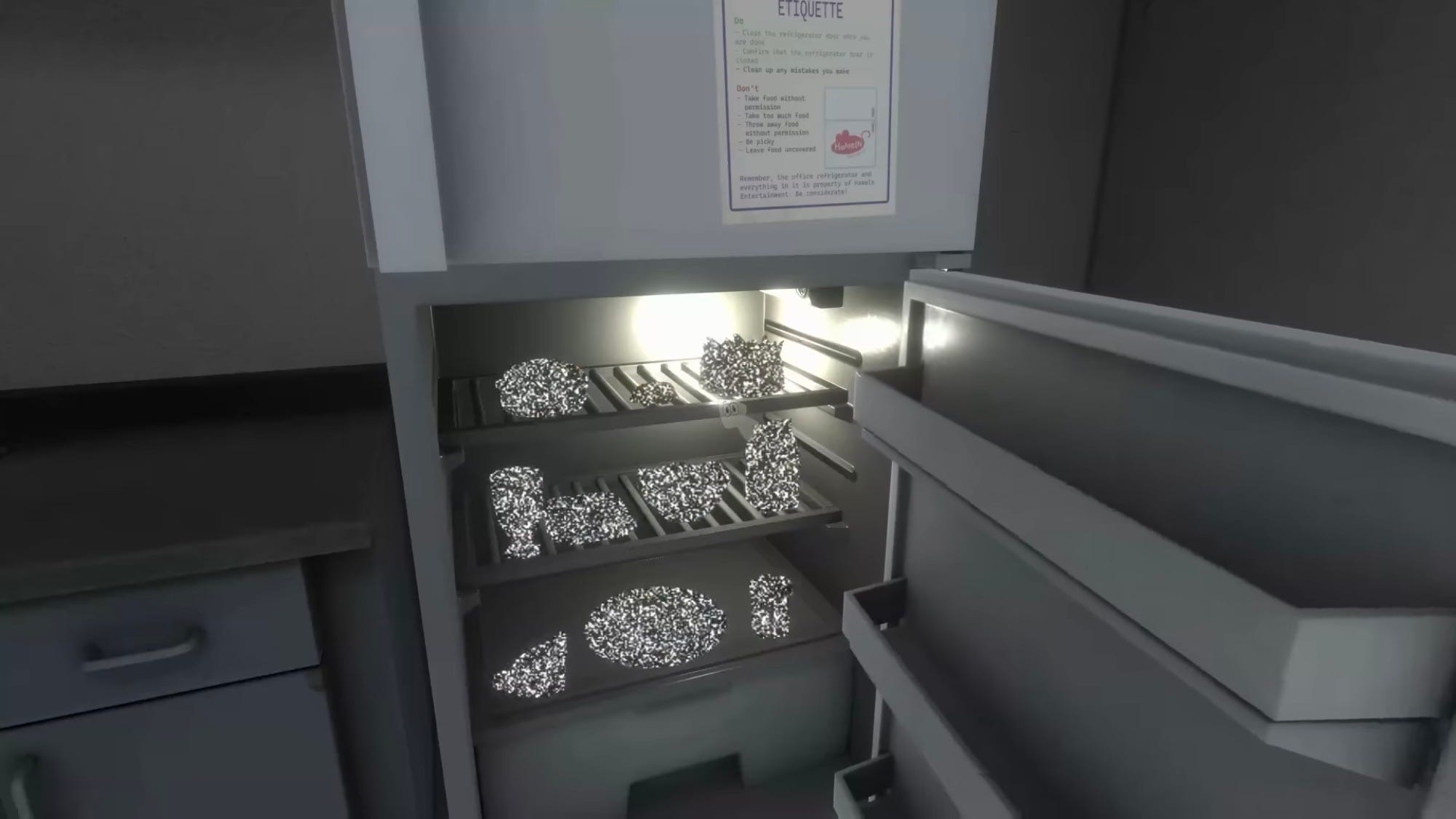
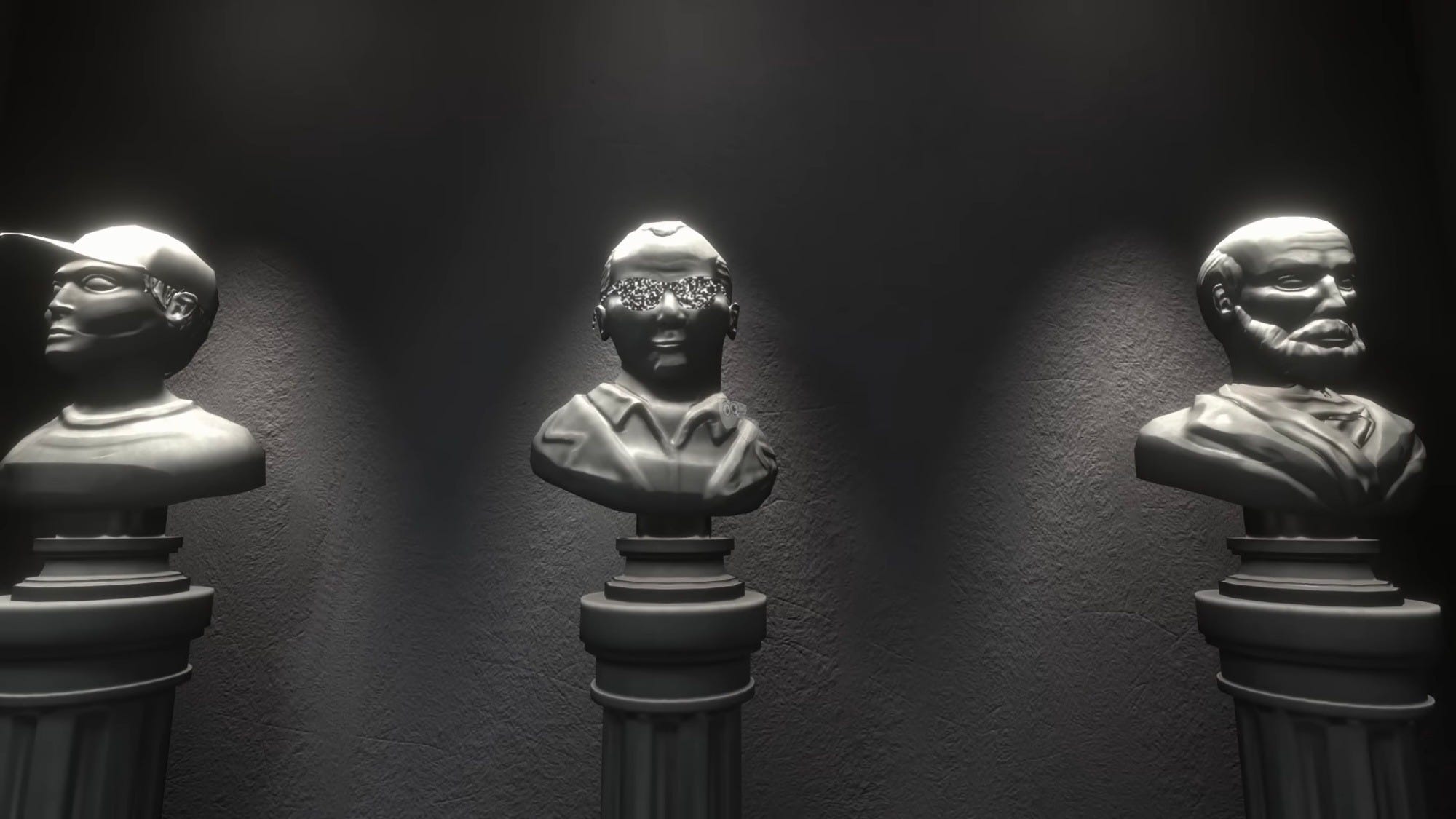
It should also be noted that every time we interact with the tape world—be it by inputting an answer or sending something through the screen—there’s a brief static flash before the tape continues.
While I don’t think the ATA show is the Valley itself, I do think it’s connected in the sense of serving as a conduit for the static. Think of it as a buffer zone—or better yet, a bridge—between our world and the Valley, powered by the kids’ imaginations and Rebecca’s psychic powers. Based on characters like Maggie and the Meatman, it’s my belief that when the Curtain was trying to “cross over” into the Valley, something went terribly awry, and they became trapped in the show itself, their bodies reduced to and reformed by the static into (mostly) inanimate objects (or in Meatman’s case, a stagnant avatar). @sovereignfives did an awesome illustration of this concept here!
Another representation of the kind of crossover I’m describing occurs in one of ATA’s likely influences, Willy Wonka and the Chocolate Factory. I invoke this reference because, as we see on the tape of Riley’s favorite movies, John’s Candy Factory is clearly inspired by Willy Wonka.
Charlie removing the chocolate from the screen closely mirrors what we see Riley do throughout the games. We even see “smaller” versions of irl toys like Blabbot and Gret-chan within the show as well as in Kate’s attic.
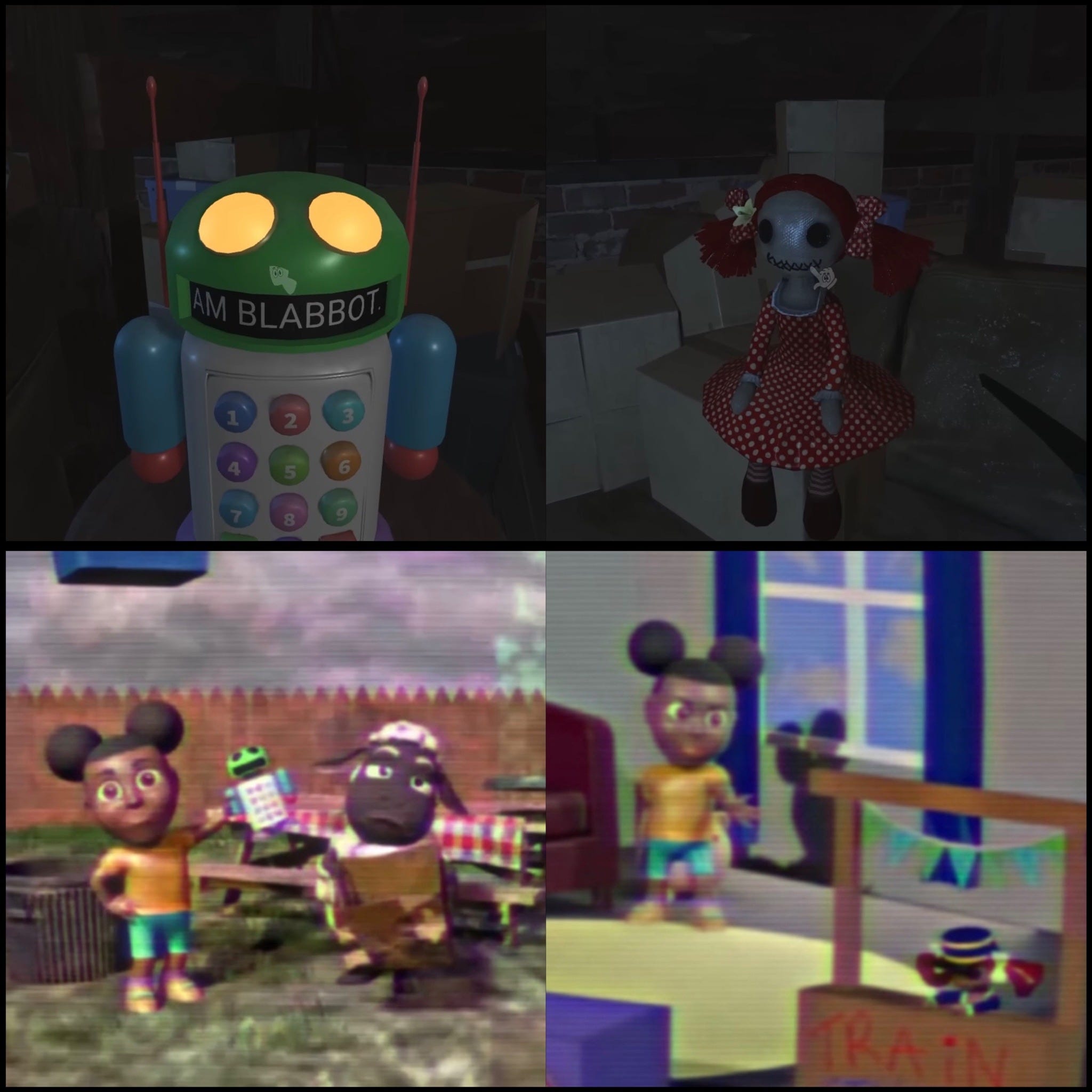
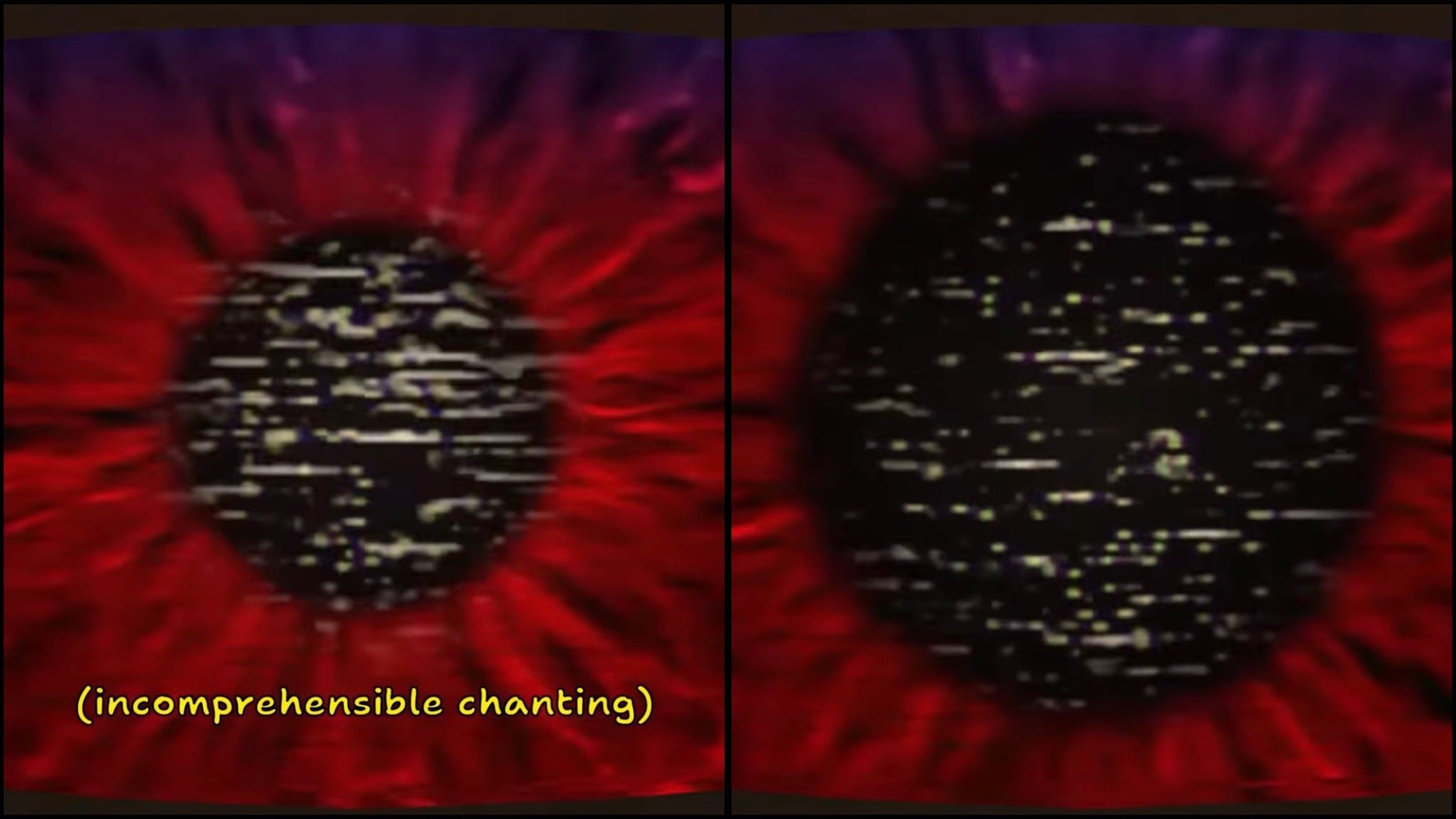
In the same tape where Rebecca is seen opening the static gate, she describes a birthday party where she was able to predict the contents of her gifts before she opened them. We also see static overtaking someone’s eye shortly after the shot of the passage in "When I'm Grown Up." What if Hameln used Rebecca’s powers to scope out and locate the Valley so they could reach it?
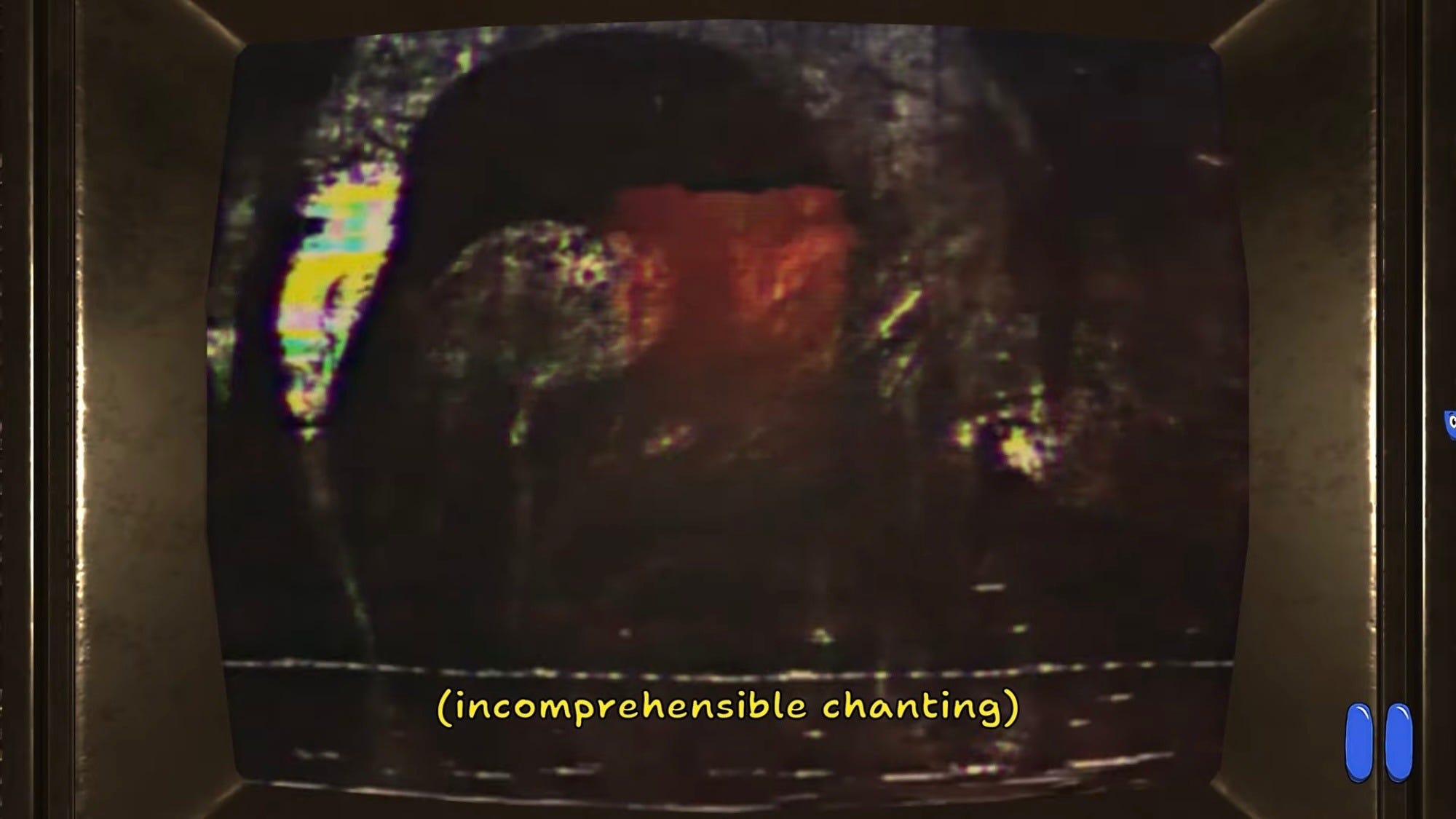
Furthermore, when we have to access the card from within the TV, we witness firsthand how a surge from Rebecca’s pod directly powers this transaction. What if Rebecca had to be on the other side of that door in order for the portal to work?
Circling back to the flesh tunnel, in its second appearance, we see a distorted static face—one I presume is Marcus. A lot of people believe that Marcus was sacrificed in some way, hence his lack of a pod as far as we can tell. But just what was he sacrificed to do? What if, keeping in line with his role in the show, Marcus was sacrificed to be the gatekeeper—to ensure that Rebecca couldn’t activate the portal to escape, like she does in his absence with Riley’s help.
This connection also gives Marcus some level of control over the static. In the first game, after the credits of “In Your Neighborhood” show Rebecca’s name among the show’s CAST, there’s a static glitch presumably obscuring who portrays Wooly. More static glitches also appear to physically hurt or “correct” Amanda, which could also be Marcus’s attempt to keep her on-script and away from discovering the truth.
But the most notable occurrence of the static—one where we are directly told just who is conducting it, is the note given to us by the Missing Kids, which materializes through the static into our hands after we’ve given each of them their respective treat.
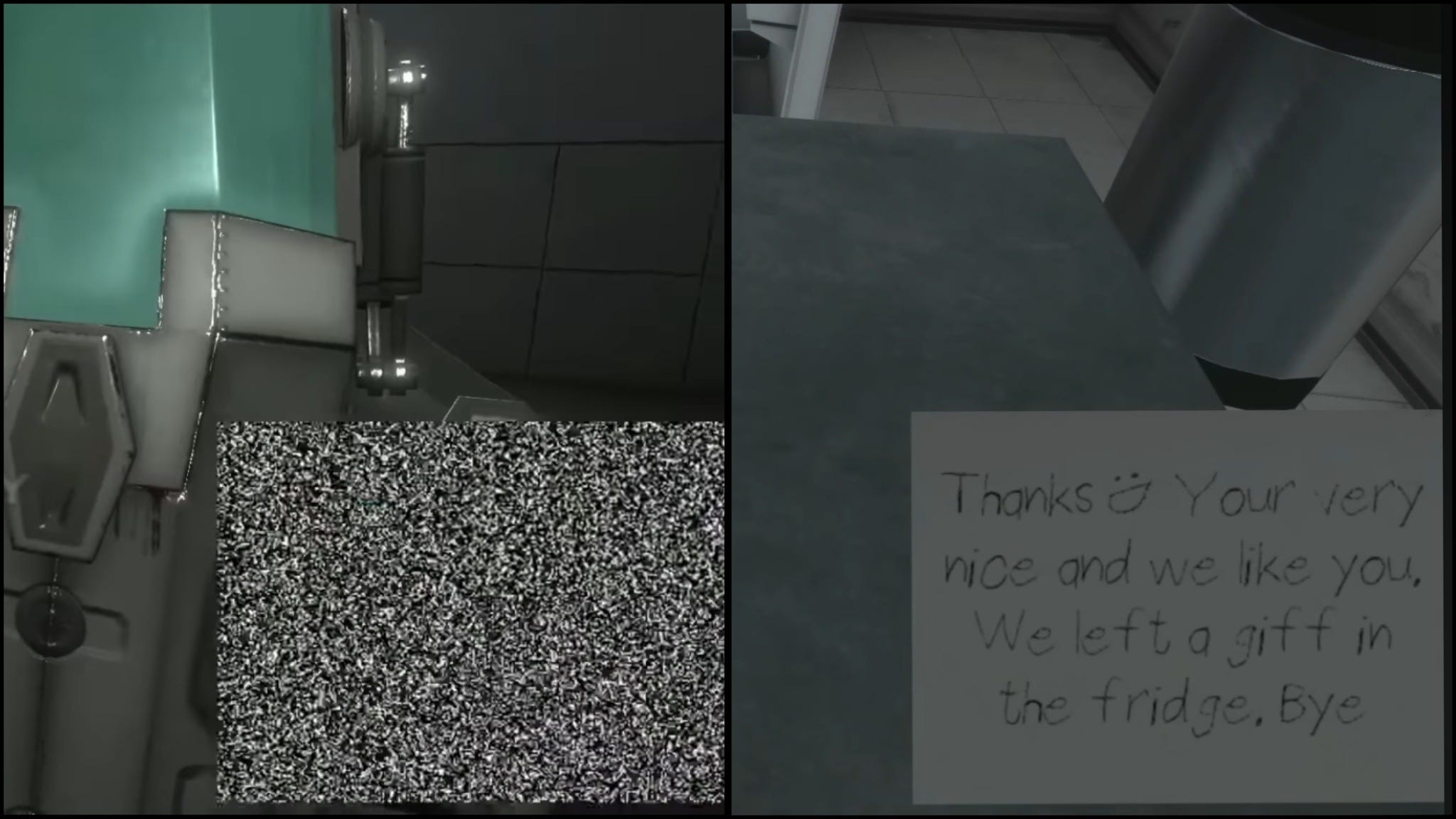
I haven’t seen anyone talking about the static or its potential significance, but I believe it explains not only the Curtain's ultimate goal, but also how the tapes (and those trapped within) interface with and directly affect our reality/environment. Amanda is creating the puzzles for us via the static. That which was once used to trap her is now the very tool that will enable her escape.
★ starstruckata.carrd.co